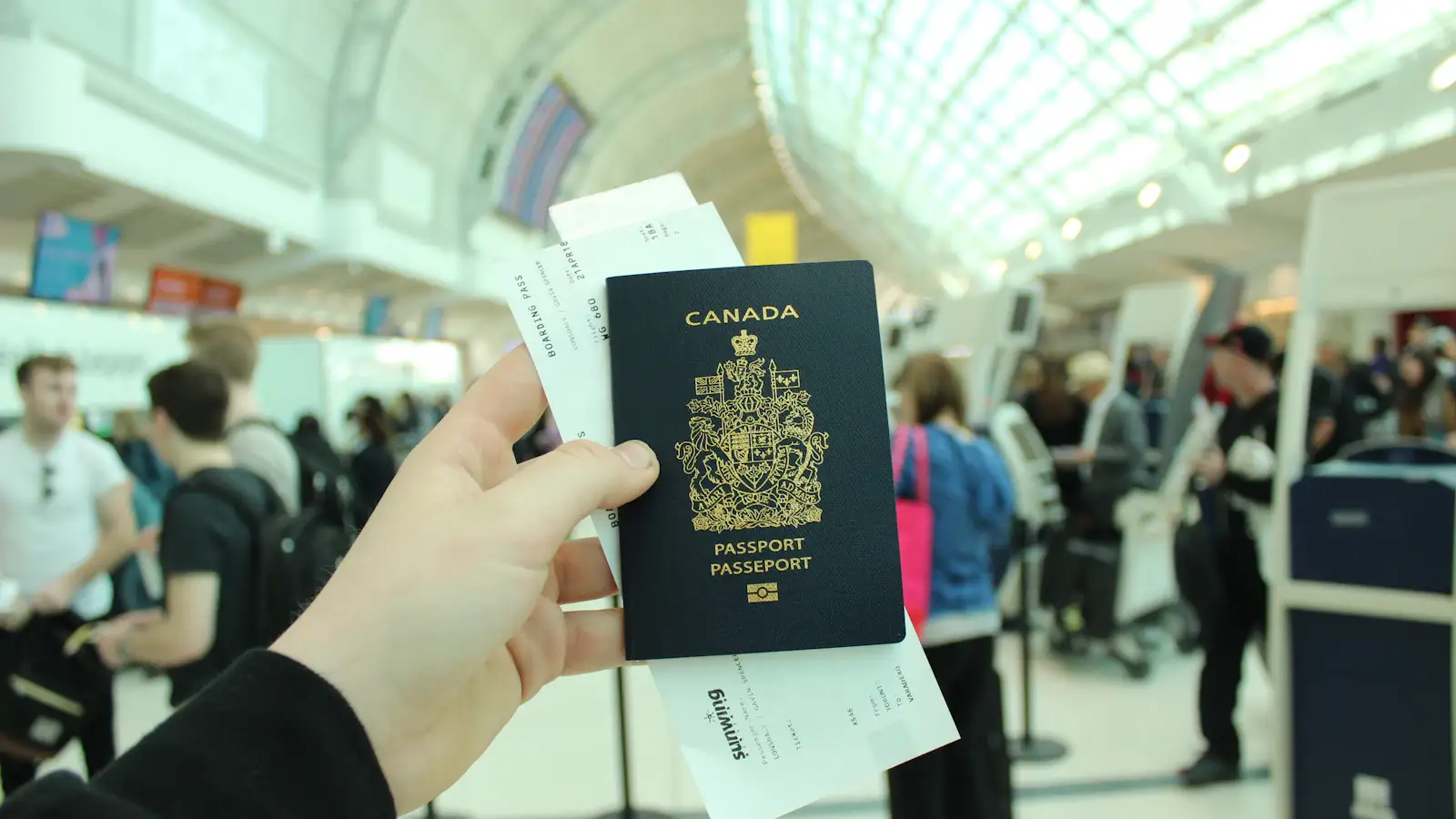
Planning a first China trip is less about choosing every museum and more about making sure the practical system works. If your phone has data, your payment apps work, your first airport transfer is clear, and you know which apps to open for food, rides, trains, and translation, the trip becomes dramatically easier.
This guide gives you a practical planning order. It is not a fantasy itinerary. It is the setup layer that stops a first-time visitor from wasting the first two days on preventable problems.
The First-Time China Planning Order
For each planning block, you can go deeper with the China eSIM comparator, the China payment guide, and the city guides hub. Keep the first 24 hours checklist as the execution list for arrival day.
Most travelers plan in the wrong order. They start with hotels, attractions, and restaurants, then discover after landing that they cannot pay, cannot load a map, cannot call a ride, or cannot book a train ticket easily.
Use this order instead:
- Internet access
- Payment setup
- Airport-to-city route
- Essential apps
- City order and transport
- Daily itinerary
- Food, tickets, and backup plans
The first four items are the foundation. Once they work, the rest of the trip is flexible.
1. Get Internet Access Before You Land
Your first practical question is simple: will your phone work when you step out of the airport?
For most visitors, the easiest answer is a travel eSIM installed before departure. A good China travel eSIM gives you data on arrival and may keep familiar apps such as Google, WhatsApp, Instagram, Gmail, and other services reachable, depending on how the provider routes traffic. Read the plan details carefully before buying.
If your phone does not support eSIM, use international roaming or buy a physical SIM after arrival. Roaming is usually more expensive, but it can be the lowest-friction fallback for the first day.
Before departure:
- Confirm your phone is unlocked.
- Confirm it supports eSIM if you plan to use one.
- Install the eSIM profile while you still have reliable Wi-Fi.
- Save the provider’s setup instructions offline.
- Keep airport Wi-Fi as a backup, not your main plan.
Related guide: Best eSIM for China Travel in 2026.
2. Set Up Payment Before Departure
China is mobile-payment first. In large cities, small restaurants, convenience stores, taxis, attractions, and street vendors often expect QR-code payment. Foreign cards work in some hotels, malls, airports, and higher-end venues, but they are not enough for daily travel.
Set up at least one mobile wallet before you go:
- Alipay
- WeChat Pay
Alipay is often the smoother first wallet for tourists because the app is designed around payment, translation, transport mini-programs, and travel services. WeChat Pay is also important, especially if you use WeChat to message people in China.
Do this before departure:
- Download both apps.
- Register with your home mobile number.
- Link a Visa or Mastercard if supported by your issuing bank.
- Complete identity verification if requested.
- Bring at least two cards from different banks if possible.
- Carry a small cash backup in RMB.
Do not wait until the airport arrivals hall to solve payment. You may need SMS verification, card security checks, or a stable connection.
Related guides:
- How to Pay in China as a Tourist
- Alipay Foreign Credit Card Step by Step
- WeChat Pay Foreign Visitors Guide
3. Plan Your First Airport Transfer
Your first transfer matters because you will be tired, carrying luggage, and still testing your setup. Do not make your first China logistics challenge a complicated local-bus transfer unless you enjoy stress.
Before landing, write down:
- Airport name and terminal
- Hotel name in English and Chinese
- Hotel address in Chinese
- Nearest metro station
- A backup taxi instruction
- Rough fare or travel time
For major cities, airport rail or metro can be efficient if your hotel is near a convenient station. For late arrivals, families, heavy luggage, or first-time visitors, a taxi or ride-hailing service may be worth the extra cost.
Use the Show to Driver tool to create a large Chinese message for your hotel, pickup point, or destination.
4. Install the Essential Apps
You do not need twenty China apps. You need a short list that covers the daily bottlenecks.
Must-have
- Alipay or WeChat Pay for payment
- A map app that works for your route
- Translation app with offline language packs
- eSIM provider app or carrier app
- Airline app and hotel booking app
Very useful
- DiDi for ride-hailing
- 12306 or an English train-ticket platform
- Food delivery or restaurant discovery apps if you can handle Chinese interfaces
- WeChat if you need to contact hotels, guides, business contacts, or local friends
The practical test is this: can you land, get online, pay for water, call a ride, show your hotel address, and message someone if plans change? If yes, your app setup is good enough.
5. Build a Realistic City Order
First-time China trips often fail by trying to cover too many cities. China is huge, and high-speed rail is excellent, but every transfer still costs time: packing, getting to the station, security, boarding, arrival, metro or taxi to the hotel, and check-in.
For a first trip:
- 5-7 days: choose 1-2 cities.
- 8-10 days: choose 2-3 cities.
- 12-14 days: choose 3-4 cities if transport links are direct.
Do not treat Beijing, Shanghai, Xi’an, Chengdu, Guilin, Zhangjiajie, and Hong Kong as if they were neighborhoods. They are major moves.
Use high-speed rail for routes such as Beijing-Shanghai, Shanghai-Hangzhou, Chengdu-Chongqing, and many shorter city pairs. Use flights for long-distance jumps where rail would consume most of a day.
Related guides:
6. Make a First-Day Checklist
Your first day should be simple. The goal is not to see everything. The goal is to prove the system works.
After arrival:
- Turn on eSIM or roaming.
- Confirm messaging and maps work.
- Make a small payment with Alipay or WeChat Pay.
- Reach your hotel.
- Save your hotel address in Chinese.
- Withdraw or exchange a small amount of cash if needed.
- Buy water and a simple meal.
- Sleep before making big itinerary decisions.
If you complete those steps, the trip is under control.
Common Planning Mistakes
Mistake 1: Relying on foreign cards
Foreign cards are improving in China, but they are still not a complete daily payment plan. Mobile wallets are the default.
Mistake 2: Assuming airport Wi-Fi solves everything
Airport Wi-Fi can help, but it may require SMS verification, have slow speeds, or be inconvenient when you are moving through immigration and baggage claim.
Mistake 3: Overloading the itinerary
China rewards slower travel. A realistic plan with fewer cities usually feels richer than a checklist trip with constant transfers.
Mistake 4: Not saving Chinese addresses
English hotel names are often not enough for taxi drivers, delivery riders, or local staff. Save addresses in Chinese.
Mistake 5: Forgetting backups
Bring a second bank card, a little RMB cash, offline copies of bookings, and screenshots of important addresses.
Use the Free Trip Planner
If you want a structured first-pass plan, use the free China Trip Planner. It asks for your cities, trip length, budget, travel style, and setup needs, then gives you a practical checklist covering payment, eSIM, transport, apps, and common mistakes.
For quick practical questions, use China Travel Help. For tools, start with the ChinaTripBox Tool Center.
Final Takeaway
For a first China trip, do not start with a perfect itinerary. Start with a working system: internet, payment, transport, apps, and a simple first day. Once that foundation is in place, China becomes much easier to explore.
Loading comments...