Use Alipay first, WeChat Pay second, and keep small cash.
That is the payment setup I would use for a first China trip in 2026. Do it before the flight, while your home bank, SMS number, passport, and stable internet are still easy to access.
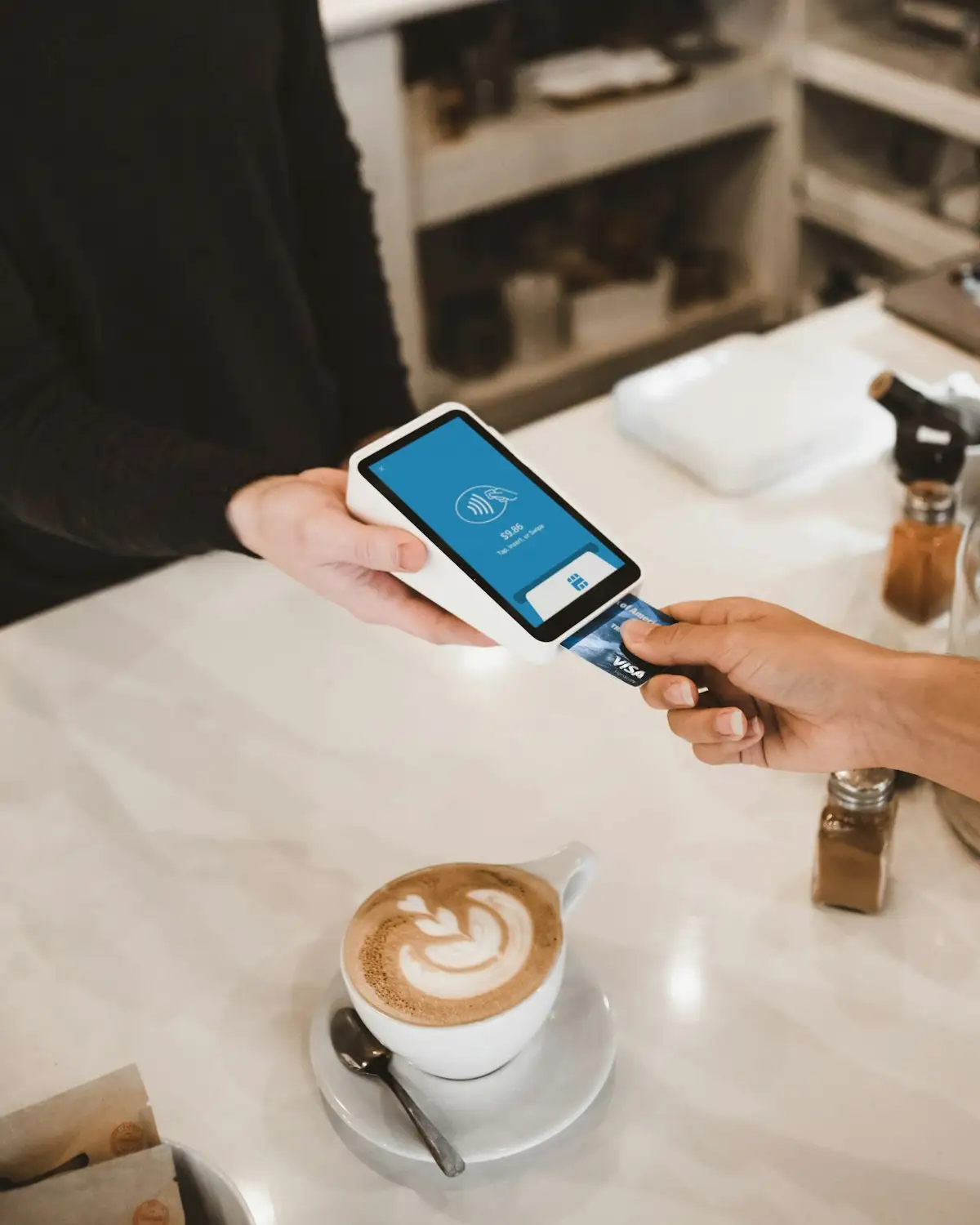
Payment setup timeline
Before the flight
Finish identity and card checks at home
Passport scan, SMS code, bank app approval, and language settings are much easier before roaming gets messy.
First hour in China
Make one boring test purchase
Buy water or coffee with Alipay before relying on it for taxis, metro, restaurants, or attraction tickets.
If it breaks
Switch methods instead of retrying forever
Try WeChat Pay, a second card, a physical card at major merchants, or 300-800 RMB cash for the immediate problem.
Payment setup paths
First setupSet up Alipay first
Install Alipay, verify your passport, link a foreign Visa or Mastercard, then make one small test payment after landing.
TroubleshootingFix verification failures
Use this when passport scan, name order, face check, SMS, or card authorization blocks your setup.
CompareAlipay vs WeChat Pay
Decide which app to set up first, where WeChat Pay is still useful, and how much cash to keep.
Check your card before it becomes an airport problem.
Pick your card network, issuing region, wallet plan, and purchase type. The checker flags the common failure points: unsupported cards, bank-side blocks, wallet limits, big-ticket fees, and places where cash or a physical card still matters.
Use it before booking
- Visa, Mastercard, Amex, JCB, Diners Club, and Discover planning
- Alipay vs WeChat Pay setup risk
- Small purchases, hotels, rail tickets, taxis, and backup cash
Set it up in this order
The order matters. Waiting until the hotel lobby is how people get stuck with SMS codes, bank fraud checks, and passport scans on weak airport Wi-Fi.
-
1. Install Alipay and link your strongest card
Use a Visa or Mastercard that allows overseas online transactions. Finish passport verification at home.
-
2. Add WeChat Pay as the second wallet
It is less obvious for first-timers, but restaurants, mini programs, and local contacts often live inside WeChat.
-
3. Carry cash without depending on cash
China is mobile-payment-first, but 300-800 RMB in small notes covers the awkward edge cases.
Fresh guides and fixes
Alipay & WeChat Pay Failures: Why Cards Fail and How to Fix Them
Foreign cards fail in Alipay and WeChat Pay for predictable reasons. Here are exact fixes for passport verification, bank blocks, and first-payment failures.
PaymentAlipay for Foreigners 2026: Link Visa or Mastercard
Foreign Visa and Mastercard cards work in Alipay if verification is clean. Follow the exact setup, test payment and failure fixes before landing in China.
PaymentAlipay Verification Failed? 7 Fixes That Work in 2026
Most Alipay passport failures come from name order, photo glare or face scan mismatch. Try these 7 fixes before you give up on mobile payment.
PaymentAlipay vs WeChat Pay 2026: Which Works Best for Tourists?
Alipay vs WeChat Pay for foreign visitors in 2026: which wallet accepts foreign cards more reliably, how fees differ, and which to use for tourist spending.
PaymentWeChat Pay Unsupported Card? 6 Fixes for Foreign Cards
WeChat Pay unsupported card? See which card types get rejected, then the six fixes that resolve most foreign card failures.
PaymentCash in China 2026: Where It Works and Where It Doesn't (Foreigner's Guide)
Where cash works and gets refused in China in 2026, how to break big notes into usable denominations, and what to do when a vendor won't take your money.
Frequently Asked Questions
What payment setup should foreigners use in China in 2026?
Most short-term visitors should set up Alipay first, WeChat Pay as a backup, and carry a small amount of RMB cash for exceptions.
Can I pay in China with only a foreign Visa or Mastercard?
Physical foreign cards work in some hotels, airports, and large merchants, but everyday China is QR-payment first. Link the card to Alipay or WeChat Pay before travel.
How much cash should I carry in China?
For most city trips, 300 to 800 RMB is a practical backup range. You may use little of it, but it helps when a phone, signal, card, or wallet verification fails.
Should I set up Alipay or WeChat Pay first?
Start with Alipay because the foreign-card flow is usually clearer, then add WeChat Pay for backup, mini programs, and local contacts.
What should I do if a small shop will not accept my app payment?
Switch to cash first, then try a physical card only at larger merchants. Many small vendors still prefer RMB notes for very small purchases or weak-signal situations.
China Travel Tips — Weekly Newsletter
Get practical China travel updates: policy changes, new guides, tool updates, and seasonal tips. No spam, unsubscribe anytime.
Free, unsubscribe anytime
Next step
Make sure your phone is online before payment depends on it.
Compare China eSIM plans before departure so maps, translation, Alipay, WeChat Pay, and DiDi work when you land.
Compare eSIM options