Introduction
After you choose your Daxing transfer, use the Beijing city hub to plan where to stay and what to see. First-time arrivals should also keep the China airport arrival checklist and payment guide handy before leaving the terminal.
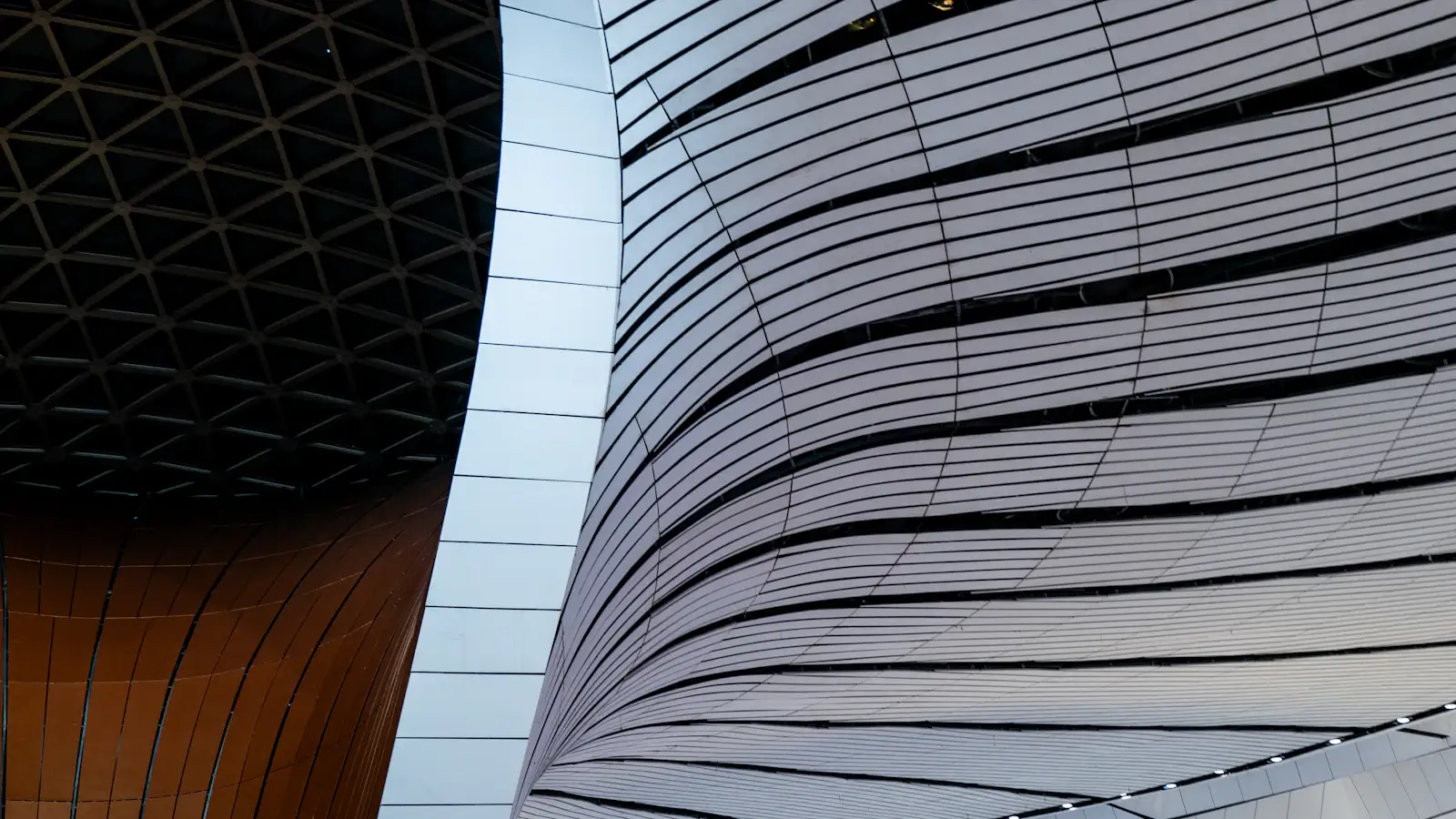
Beijing Daxing International Airport (PKX) opened in 2019 as the city’s gleaming second hub, and it’s a genuinely impressive building. It’s also a long way out. The starfish-shaped terminal sits roughly 46 km south of Tiananmen, near the border with Hebei province, which means your journey isn’t over when the wheels touch down.
The good news: the connections are modern, fast, and well signed in English. The catch: the best links stop running relatively early, so a delayed flight can leave you scrambling. This guide walks a first-time arrival through every realistic option, then focuses on what actually works when you land late at night.
Before You Start
A few things to sort out before or right after you clear immigration.
Know which Beijing airport you’re at. Beijing has two: Capital (PEK) in the northeast and Daxing (PKX) in the south. They are on opposite sides of the city and share no direct transit link. Double-check your boarding pass says PKX so you don’t follow the wrong directions.
Set up mobile payment. Almost everything in Beijing runs on Alipay or WeChat Pay, and both now let foreign visitors link an overseas Visa or Mastercard. Set this up before you fly if you can. The metro, the express line, taxis, and ride-hailing all accept these QR codes, and it saves you fumbling with cash. A contactless foreign bank card also works on the metro gates.
Get a working data connection. You’ll want maps and translation from the moment you land. An eSIM activated on arrival, a physical SIM, or airport Wi-Fi all work. Note that Google Maps is unreliable in China; download an offline map or use Apple Maps, which pulls local data.
Check the clock against the timetables. This is the single most important step for a late arrival. As a rule of thumb:
- Daxing Airport Express (metro): last trains from the airport leave around 22:30.
- Intercity railway: last services also wind down around 22:30 to 23:00.
- Taxis and ride-hailing: available 24 hours.
- Overnight airport buses: a handful run through the small hours on reduced frequency.
If your landing time plus an hour for immigration and baggage pushes past 22:00, assume the trains are gone and plan for a taxi, Didi, or night bus.
Step-by-Step
Option 1: Daxing Airport Express (best for most daytime arrivals)
This is the dedicated high-speed metro line and usually the smartest choice.
- Follow the signs for the Daxing Airport Express (澶у叴鏈哄満绾? down to the transit level beneath the terminal.
- Tap in with your phone QR code or contactless card, or buy a single-journey ticket at the machine.
- Ride to Caoqiao station. It takes about 19 minutes and costs 35 RMB (a slightly pricier business-class carriage exists).
- At Caoqiao, transfer to regular metro Line 10 or Line 19 to reach your final stop. Note the transfer requires a short walk and a separate tap.
Total to somewhere like Sanlitun or the CBD: usually 45 to 60 minutes.
Option 2: Beijing-Xiong’an intercity railway
A full-size high-speed train departs from the station integrated into the airport.
- Head to the Daxing Airport railway station inside the ground transportation center.
- Take a train to Beijing West Railway Station, about 28 minutes, with fares roughly 26 to 42 RMB depending on the service.
- From Beijing West, connect to metro Line 7 or 9, or grab a taxi.
This is excellent if your hotel is on the west or southwest side, or if you have a connecting long-distance train.
Option 3: Airport shuttle buses
Multiple coach lines run to fixed points across Beijing (and to Tianjin and nearby cities). Fares are around 30 to 40 RMB. Buses are cheaper and let you sit with luggage, but they’re at the mercy of traffic and drop you at a hub, not your door. Buy tickets at the clearly marked bus counters in the arrivals hall.
Option 4: Taxi or ride-hailing
- For a taxi, follow signs to the official taxi rank and ignore anyone approaching you inside the terminal offering rides. Those touts overcharge.
- Insist the driver uses the meter. Expect 130 to 200 RMB to central Beijing, including the expressway toll, over 50 to 70 minutes.
- For Didi, order through the app (it’s built into Alipay if you don’t want a separate download) and follow the in-app directions to the designated ride-hail pickup zone.
The late-night playbook
Land after the trains stop and here’s what to do, in order of preference:
- Didi or a metered taxi. Both run 24/7. Late at night traffic is light, so the ride into town can actually be faster than during the day. A small night surcharge applies to taxis.
- Overnight airport bus. If you’re on a budget and your drop-off hub suits you, check the night-line board in arrivals. Frequencies are sparse, often once an hour or less.
- Sleep it out. The terminal is comfortable and safe, and some travelers with an early metro connection simply wait for the first train around 06:00. Airport-adjacent hotels are also an option if you booked ahead.
A practical tip: agree on the general route or confirm the meter before pulling away, and have your hotel’s name and address saved in Chinese characters to show the driver.
Common Mistakes to Avoid
- Assuming Daxing and Capital are interchangeable. They’re an hour-plus apart. Transit directions for one won’t help at the other.
- Cutting the train timetable too close. A 21:45 landing feels fine until immigration lines and baggage eat an hour. Build in buffer or accept you’ll be taking a taxi.
- Following touts inside the terminal. Anyone offering you a “taxi” before you reach the official rank is best ignored. Use the marked queue or the app.
- Forgetting the transfer at Caoqiao. The Airport Express doesn’t go straight into the center. You must change to Line 10 or 19, which adds time and a short walk.
- Relying on Google Maps. It routes poorly in China. Use a local-aware map and download offline data before you land.
- Arriving with no mobile payment. Cash still works but slows you down everywhere. Set up Alipay or WeChat Pay before your trip.
Summary
For a daytime arrival at Daxing, the Airport Express to Caoqiao then a metro transfer is the fast, cheap default at 35 RMB and under an hour to most of the city. If you’re heading west or catching an onward train, the intercity railway to Beijing West in 28 minutes is hard to beat. Land after about 22:30 and the trains are done, so a metered taxi or Didi (130 to 200 RMB) becomes your reliable choice, with overnight buses as a budget backup. Set up mobile payment and offline maps before you fly, keep your hotel address in Chinese handy, and give yourself a buffer against the train curfew, and your first arrival will be smooth even if it’s the middle of the night.
Loading comments...