💡 Reader Tip: This specific scenario has been consolidated. For a more complete China travel guide, please refer to our latest update: our comprehensive guide.
The 240-hour visa-free transit is the main reason many visitors can visit China without a visa application. But the rules are not always clear from airline websites or embassy notices. Here is exactly how it works, who gets it, and where you can go.
Policy update: China’s new entry and exit administration rules take effect on September 15, 2026. The 240-hour transit policy remains separate, but travelers should expect stricter attention to truthful route information, confirmed onward tickets, hotel addresses, and whether the trip is genuinely a transit. Read the 2026 China entry and exit rules update before booking a tight itinerary.
Do You Qualify?
A 240-hour transit works best with a tight route plan, so cross-check eligible stops with the city guides hub and your first landing steps in the airport arrival checklist. If you need a broader entry comparison, read the visa-free entry and transit guide.
As of 2026, 54 nationalities are eligible. The full list includes the United States, Canada, United Kingdom, Australia, New Zealand, most European Union countries, Japan, South Korea, Russia, and several others.
You can check your specific nationality with the visa-free transit checker — it takes 5 seconds and tells you exactly what you qualify for.
The Two Non-Negotiable Rules
Rule 1: You must arrive from one country and depart to a different country.
Hong Kong, Macao, and Taiwan count as third destinations. This is the part most people get wrong. You cannot fly from London to Shanghai and back to London. You can fly from London to Shanghai, spend 8 days visiting, then fly to Tokyo.
Rule 2: You must stay within the designated transit area.
The policy started with limited areas but has expanded significantly. The current program covers 37 entry ports across 27 provinces and municipalities. This means you can arrive in Beijing and travel to Shanghai by train — that is allowed under the current rules.
What you cannot do: arrive in Shanghai and fly to Chengdu, then try to leave from Chengdu to Hong Kong — unless both cities are in your authorized region. The smart approach: confirm your itinerary before booking tickets.
How It Works at the Airport
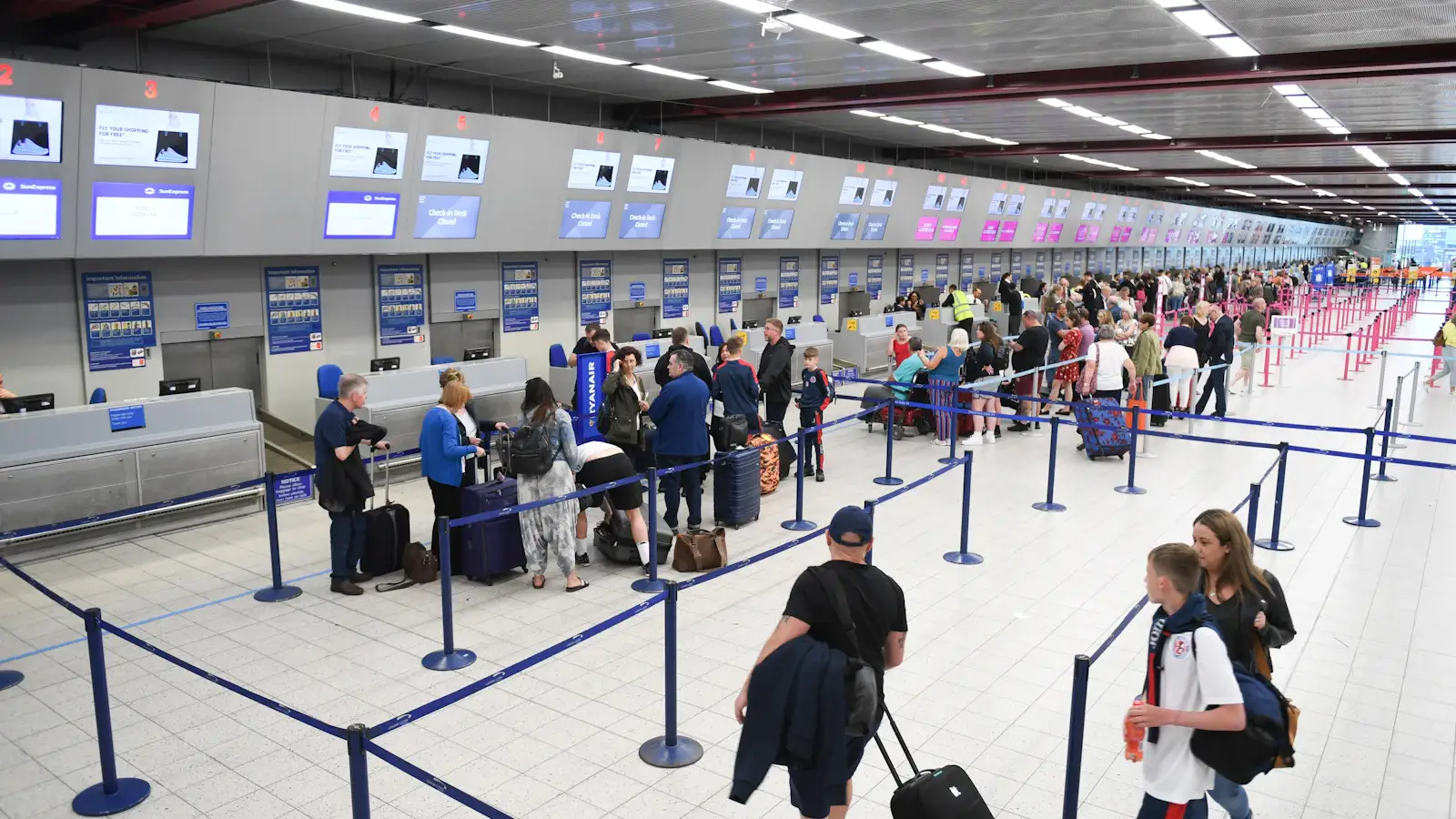
When you land in China, do not join the regular immigration line. Look for the temporary entry desk or transit visa counter. It may be marked differently at different airports.
You will need:
- A passport valid for at least 3 months beyond your planned departure
- A confirmed onward ticket to a third country within 240 hours
- A completed arrival card stating your transit purpose
- A hotel booking or the address where you will stay
The immigration officer stamps a temporary entry permit in your passport. This is not a visa — it is a stamp that looks different from a regular entry stamp. Keep it visible and do not lose it.
What You Can Actually Do During the 240 Hours
You can do more than most people think:
- Visit multiple cities by train, bus, or domestic flight
- Check into hotels booked through hotel booking platforms like Ctrip (Trip.com)
- Use Alipay and WeChat Pay with a foreign card
- Visit tourist attractions, museums, and restaurants
- Take high-speed trains between major cities
You cannot:
- Work or get a job
- Extend your stay beyond 240 hours
- Re-enter on the same transit permit
- Go outside the designated geographical area
Airports and Ports That Accept the 240-Hour Transit
The program covers 37 entry and exit ports. Here are the most used airports for international travelers:
| Airport | City | Notes |
|---|---|---|
| Beijing Capital (PEK) | Beijing | Most international flights |
| Beijing Daxing (PKX) | Beijing | New hub, mainly domestic connections |
| Shanghai Pudong (PVG) | Shanghai | Main international gateway |
| Guangzhou Baiyun (CAN) | Guangzhou | Southern hub |
| Chengdu Tianfu (TFU) | Chengdu | Expanding international routes |
| Shenzhen Baoan (SZX) | Shenzhen | Direct from Hong Kong |
| Hangzhou Xiaoshan (HGH) | Hangzhou | Regional hub |
| Xian Xianyang (XIY) | Xi’an | Historical tourism hub |
The full port list includes cruise terminals in Shanghai, Tianjin, and Xiamen, plus several railway border crossings.
The “Hong Kong Connector” Strategy
A common trick for people who want to maximize their time: arrive in Mainland China via Hong Kong. Fly into Hong Kong International Airport, cross the border into Shenzhen by train (takes 30 minutes), then start your Chinese mainland travel from there. Hong Kong counts as a third country for transit purposes, and the Shenzhen border crossing is a designated entry port.
This works especially well for people who want to visit southern cities like Guangzhou, Shenzhen, and even Chengdu within one transit stay.
When Things Go Wrong
The most common problems:
- Airline staff at departure don’t know the rules — print a copy of the official Chinese immigration notice and bring it to the check-in counter
- Your connecting flight is on the same airline but you don’t leave the airport — you may not qualify. The rule is “transit through a third country,” not “connecting flight”
- Your hotel forgets to register you — this can cause problems at departure. Confirm with the hotel front desk that they have scanned your passport
Common Itineraries That Work
Here are three sample routes that satisfy the transit requirement and give you a great China experience.
Southern route (5-7 days): Fly into Hong Kong, cross the border to Shenzhen, spend two days exploring. Take a high-speed train to Guangzhou for two days, then fly to Bangkok or Kuala Lumpur from Guangzhou Baiyun airport. This route works because Hong Kong is your “arriving” third country and Bangkok is your “departing” third country.
Eastern route (8-10 days): Fly into Shanghai Pudong from Seoul. Spend three days in Shanghai, then take a high-speed train to Hangzhou for two days. Continue to Nanjing for two days, then fly to Tokyo from Nanjing Lukou airport. Seoul and Tokyo are different third countries, so this qualifies.
Northern route (5-7 days): Fly into Beijing Capital from Dubai. Spend four days in Beijing, visiting the Great Wall, Forbidden City, and hutongs. Take a high-speed train to Xi’an for two days to see the Terracotta Warriors, then fly to Hong Kong from Xi’an Xianyang airport. Dubai and Hong Kong are different countries.
Each of these routes keeps you within the authorized transit zones and leaves you a buffer day for unforeseen delays.
Planning your trip?
Check your eligibility with the visa-free transit checker — 5 seconds, no registration.
Need help with payments and transport once you arrive? Start with the payment guides and eSIM comparison tool.
Loading comments...